
About Database
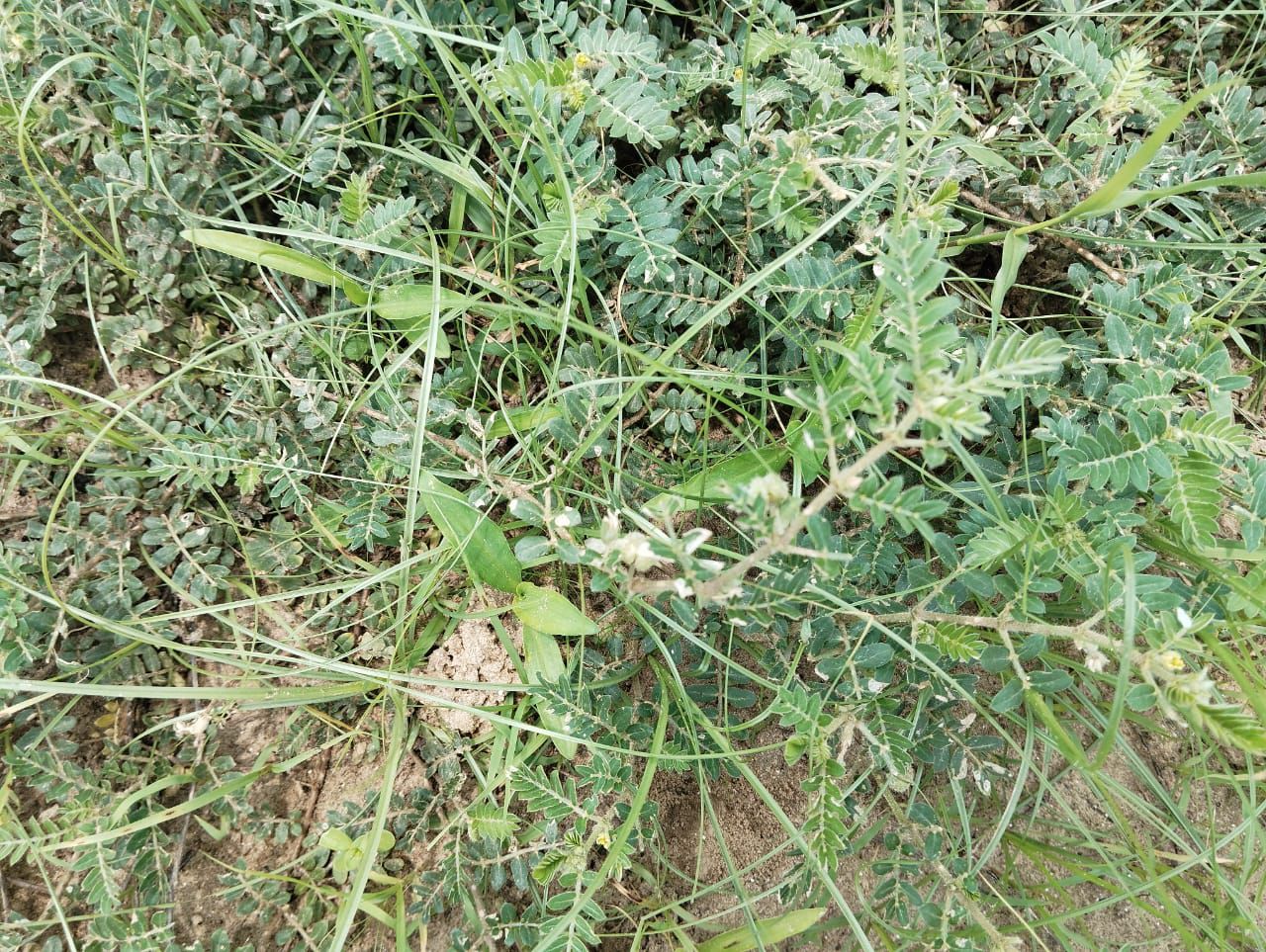
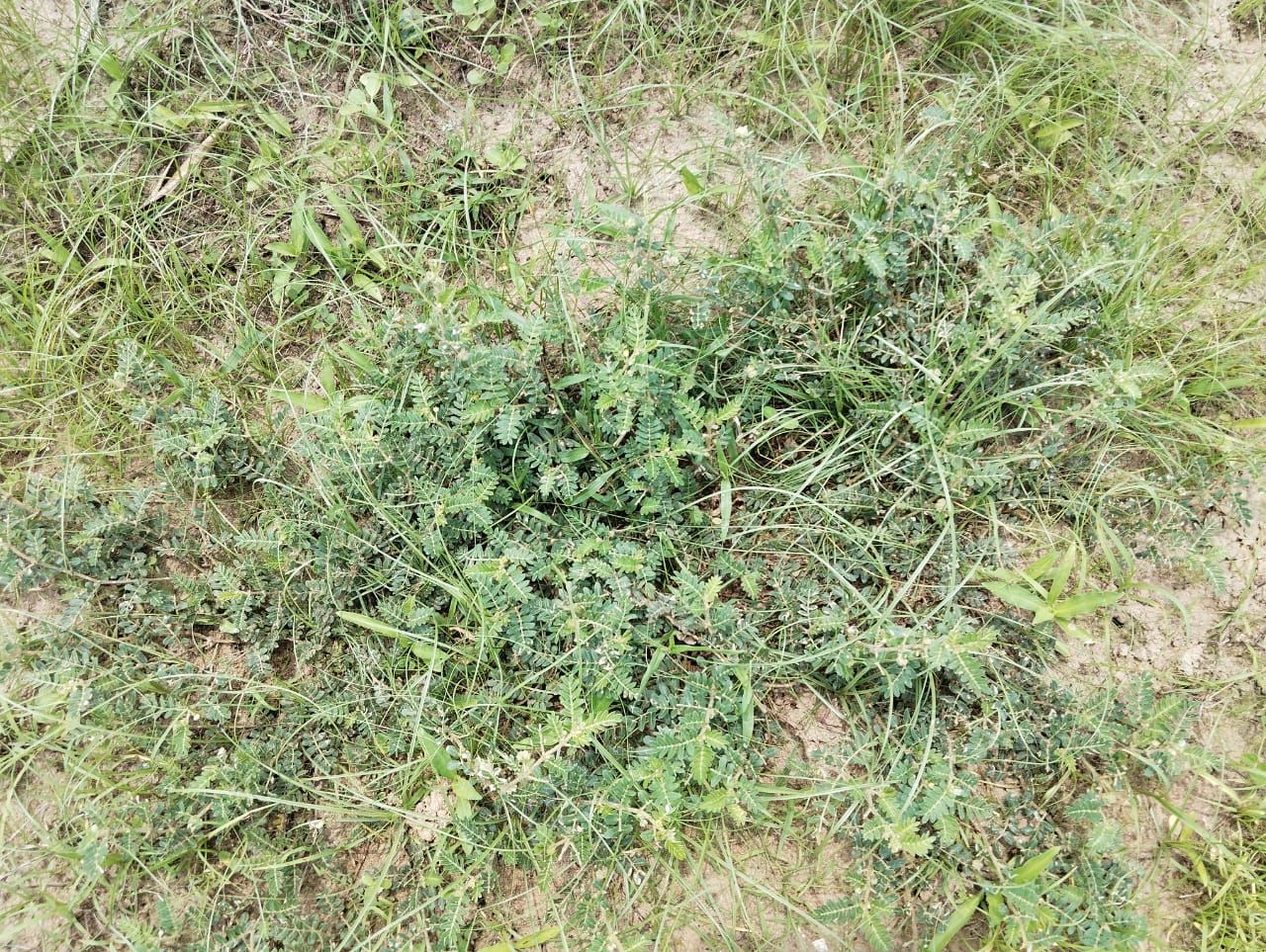
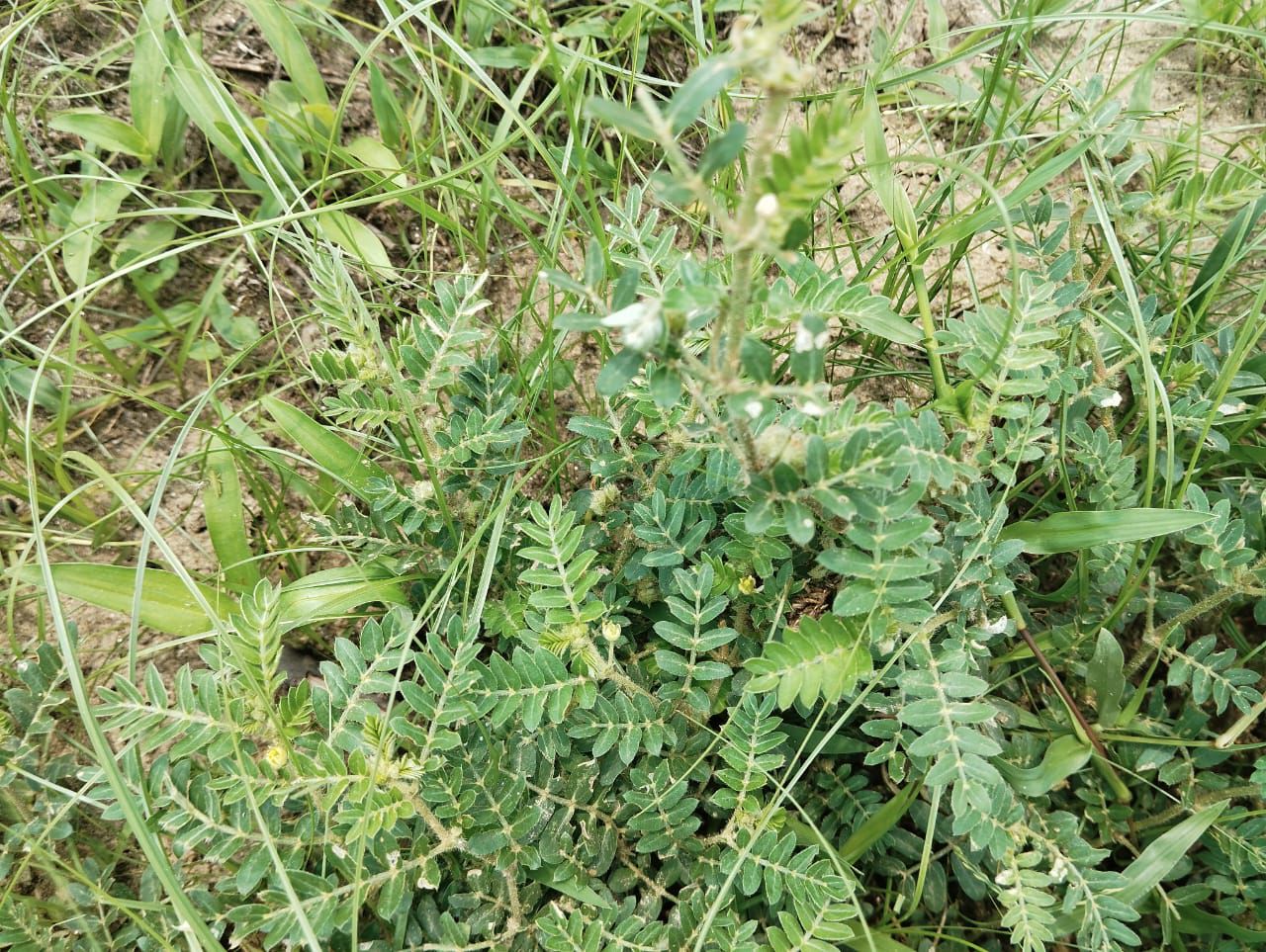
Tribulus terrestris, also known as Chota Gokhuru, holds significant value as an annual medicinal herb. Its origins can be traced back to sub-tropical regions in Asia, including India, China, America, Mexico, and Bulgaria. The plant germinates in the month of July, while the flowering and fruiting seasons of T. terrestris is August-September. This herb has a longstanding traditional use in the treatment of several ailments, including cardiovascular conditions, spermatogenesis issues, leucorrhoea, sexual dysfunctions, rheumatism, piles, renal disorders, diuretic effects, antiseptic properties, headache relief, and kidney problems. The highest amount of diosgenin could be obtained in the flowering stage or just before the fruit matures. In this study, we have analysed transcriptome obtained from root, fruit, and leaf of T. terrestris. This transcriptome data will be useful for future genome assembly in T. terrestris, besides its use for the creation of a functionally relevant molecular marker resource to assist population genetics and conservation studies. The TribulusDataBase serves as a valuable resource for genes and their functional annotation. The database contains information about the gene and their functional annotation, Gene ontology, transcription factors, pathways and SSR markers with their designed primers.
The three-tier architecture of TDB, utilizing HTML/Java for the user interface, PHP for server-side scripting and database connectivity, and MySQL as the backend repository, ensures efficient access and management of genomic data. This database holds promise for facilitating further studies on Tribulus terristris and accelerating its utilization for various applications, from agriculture to medicine.
Funded by
This database is developed under the project "Establishment of Centre for Bioinformatics and Computational Biology in Agriculture-BIC" funded by the Department of Biotechnology, Govt. of India, New Delhi, India